What to Consider When Planning Custom Displays for Cosmetics
Planning a custom cosmetic fixture involves more than choosing an attractive shape. Retailers need to consider product dimensions, customer access, available space, materials, branding, and long-term use. A capable beauty display manufacturer can help bring these requirements together and turn a merchandising idea into a practical retail fixture.
The first step is understanding the products that the fixture needs to hold. A perfume display cabinet, for example, may need different shelf dimensions and storage arrangements from a small countertop unit. Bottle height, weight, packaging, and tester requirements should all be considered before the structure is finalized.
Color-heavy product categories also require careful capacity planning. An acrylic nail polish stand can provide organized spaces for multiple shades while keeping the products visible. The number of slots, spacing between bottles, and overall footprint should reflect the actual product assortment rather than relying on appearance alone.
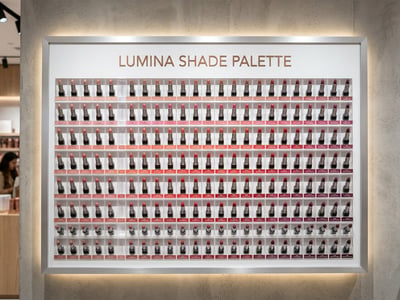
Seasonal merchandise may need to be placed in high-traffic areas. A sunscreen display can help group sun protection products in a recognizable location during warmer months or holiday travel periods. Retailers should consider how customers move through the store when deciding where the fixture will be placed.
A custom fixture should also support the store's wider merchandising plan. A gondola display can form part of a larger retail layout, helping organize product categories and define shopping areas. The dimensions and configuration should be matched to the available floor space and the needs of the store.
Counter space is often limited, especially in smaller beauty stores. A compact counter display can present selected products close to the point of purchase without taking up unnecessary room. Its size, product capacity, and access points should be planned around the counter's daily use.
Before manufacturing begins, the concept needs to be translated into accurate technical details. A custom display design can help establish dimensions, materials, finishes, and structural requirements. Reviewing the design before production makes it easier to identify adjustments while changes are still manageable.
Finally, brand identity should be considered from the beginning rather than added as an afterthought. A custom logo display stand can incorporate brand marks and visual details into the fixture itself. When design, function, and branding are planned together, the result can support both the product presentation and the retailer's overall image.


Comments
Post a Comment